Internet Bills Too High? Here Are Ways You Can Lower Your Monthly Bills (2026)
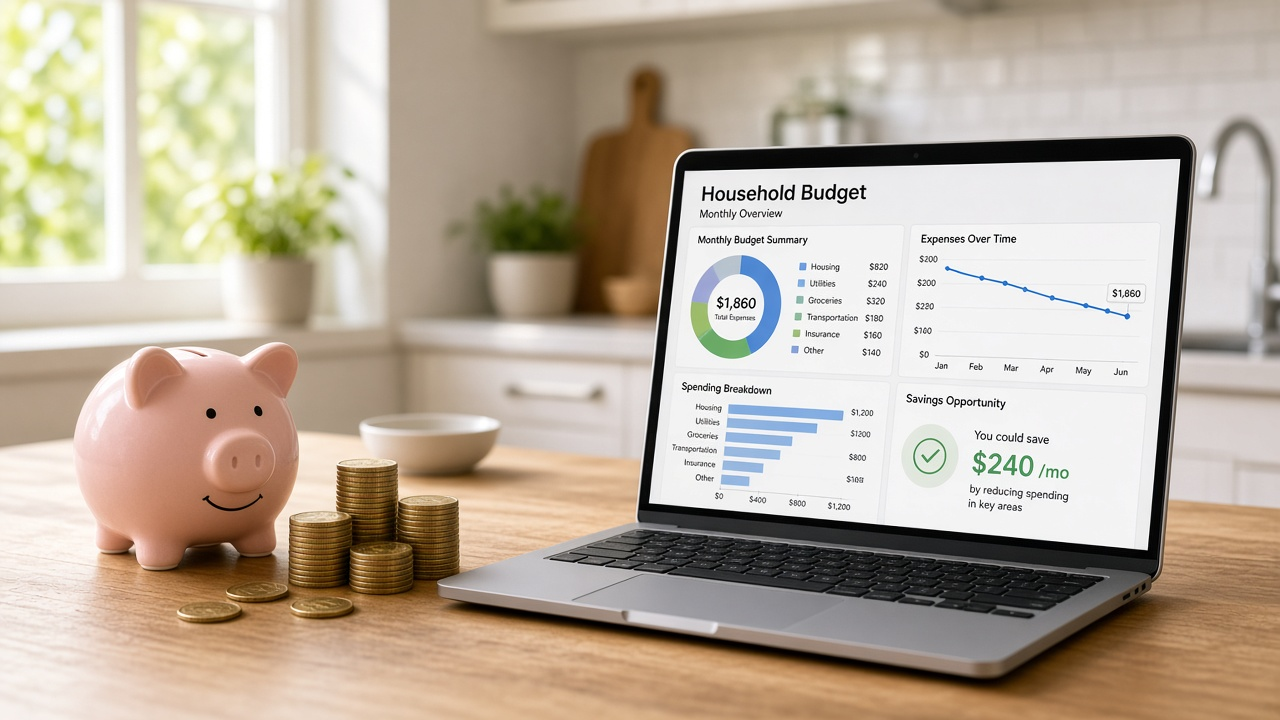
Monthly internet bills can quickly add up, but many households pay for more than they actually need. Evaluating your internet usage is the first step to identifying potential savings. Streaming in 4K, online gaming, and remote work demand higher speeds and data allowances, while casual browsing and social media require much less.
Check the number of connected devices in your household and their bandwidth consumption. Many providers offer plans with significantly different speeds and pricing, and choosing one that aligns with your needs prevents unnecessary expenses. A family streaming multiple shows in high-definition benefits from faster speeds, but a single user browsing and emailing won't need premium-tier service.
Usage analysis helps pinpoint an efficient plan without sacrificing quality. Cutting back on unused features, downgrading excessive speed tiers, or switching to a provider with better pricing can result in immediate savings.
Compare Internet Service Providers (ISPs) for Competitive Prices
Key Factors to Consider When Comparing ISPs
Not all internet service providers offer the same value. Comparing ISPs based on specific criteria ensures that you get the best deal. Focus on these elements when evaluating different providers:
- Speed: Look beyond advertised speeds and check for real-world performance. Tools like the Speedtest by Ookla help verify actual speeds.
- Reliability: Frequent outages or inconsistent performance diminish the value of a high-speed connection. Review customer complaints on platforms like Better Business Bureau or Trustpilot.
- Cost: Beyond the monthly fee, consider hidden costs like installation, equipment rental, or price increases after promotional periods.
Look Beyond Big-Name Providers
National ISPs dominate the market, but regional or smaller providers often deliver comparable service at lower prices. Municipal broadband networks and community-based ISPs frequently offer lower rates with better customer service. Checking with local utilities or neighborhood Facebook groups uncovers lesser-known providers.
Use Online Tools for Easy Price Comparisons
Manually comparing ISPs takes time, but several websites simplify the process by compiling available providers and pricing by location. Try using these comparison tools:
- BroadbandNow – Provides an extensive list of ISPs based on ZIP code.
- InMyArea – Searches for available ISPs according to location and compares features side by side.
- HighSpeedInternet – Offers comparisons based on internet speed and pricing.
By leveraging these resources and considering alternative providers, finding a more affordable internet plan becomes much easier.
Master the Art of Negotiation with Your Current ISP
Approach Customer Service with a Strategy
Calling your internet service provider (ISP) without a plan leads to missed opportunities. Prepare by researching available deals, understanding your current bill, and identifying areas where costs can be reduced. Maintain a polite yet firm tone when speaking to a representative, and be clear about what you want—whether it’s a lower rate, waived fees, or a faster speed at the same price.
Use Competitor Offers to Strengthen Your Position
ISPs compete aggressively for customers, which creates leverage for negotiation. Check local competitors for better rates or promotional discounts. When talking with your provider, mention these deals and express a willingness to switch if they cannot match or beat the offer. Many companies have customer retention teams dedicated to keeping existing subscribers by offering exclusive discounts.
Time Your Negotiation for Maximum Effect
Timing plays a critical role in securing discounts. The best moments to negotiate include:
- Before your contract ends: ISPs want to prevent cancellations, giving them an incentive to offer better deals.
- During company promotions: Many providers introduce special rates at the beginning of a new quarter or fiscal year.
- At the start or end of the month: Some representatives have quotas for customer retention, making them more willing to lower prices.
Be Ready to Follow Through
Threatening to cancel the service without being prepared to do so weakens your position. If your ISP refuses to offer a better deal, be ready to schedule cancellation and contact an alternative provider. In many cases, ISPs will transfer you to a specialist empowered to make last-minute offers to retain customers.
Ask About Loyalty Discounts and Hidden Promotions
Many providers have special rates for long-term customers that aren’t advertised publicly. When negotiating, ask specifically about loyalty discounts, unlisted promotions, or temporary rate reductions. Some ISPs also offer price adjustments if a competitor lowers rates in your area.
Seek Out Bundled Deals or Promotions
The Benefits of Bundling Internet with Other Services
Internet service providers often offer bundled packages that include TV, phone, or even mobile plans. These bundles can reduce overall costs compared to paying for each service separately. Providers may also throw in additional perks, such as higher internet speeds or premium channels, at a lower rate than individual subscriptions.
Some bundles come with long-term price guarantees, preventing sudden rate increases. Additionally, consolidating services under one provider can simplify billing and customer support, making it easier to manage your monthly expenses.
How to Spot Genuinely Valuable Promotions
Promotional offers can appear attractive, but not all are cost-effective in the long run. Consider these factors before committing to a bundled deal:
- Compare Total Costs: Add up the prices of standalone services versus the bundled offer to determine the actual savings.
- Assess Your Needs: Avoid paying for services you won’t use. If you don’t watch cable TV, a bundle including hundreds of channels won’t provide real value.
- Check for Promotional Periods: Some offers provide discounts for the first 6–12 months but significantly increase afterward. Ensure the savings extend beyond the introductory phase.
- Consider Provider Reputation: Customer reviews can highlight hidden fees, service reliability, and contract disputes. Look for feedback specific to your region.
Read the Fine Print to Avoid Future Price Hikes
Bundled promotions often include terms that lock you into a contract. Before signing up, review these elements carefully:
- Contract Length and Early Termination Fees (ETFs): ISPs may require a one- or two-year commitment, with penalties for cancellation.
- Price Changes After Promotional Periods: Monthly rates can increase significantly once the initial promotion ends. Check the provider’s terms to see the standard pricing after discounts expire.
- Equipment and Installation Fees: Some providers waive setup fees as part of a promotion but charge later for mandatory equipment rentals.
- Service-Specific Limitations: Certain bundles include data caps or slower speeds after a usage threshold is met. Look for these restrictions in the terms of service.
Taking the time to evaluate bundled deals can lead to significant savings while still providing the services you need. Read through contracts, ask detailed questions, and calculate long-term costs to ensure you choose an option that aligns with your budget.
Explore Local or Smaller ISPs for Unique Savings
Lower Costs Without Sacrificing Reliable Service
Major internet providers dominate the market, but their pricing often includes hidden fees and rate hikes. Smaller, local ISPs frequently offer competitive plans at lower prices. Many of these providers operate with lower overhead costs, allowing them to pass the savings directly to customers. Some even offer flat-rate pricing with no surprise increases.
Strengthen Community Businesses
Choosing a local internet provider keeps money within the community. Unlike national corporations, small ISPs often reinvest earnings into regional infrastructure, improving service quality where large providers may neglect development. Supporting these businesses promotes competition, potentially encouraging even larger ISPs to lower prices to stay competitive.
Experience Personalized Customer Service
Smaller providers usually prioritize customer relationships. Large ISPs often route support calls through automated systems and outsourced centers, creating frustrating delays. Local ISPs, however, typically provide direct access to knowledgeable representatives who can resolve issues more efficiently. Some even offer on-site support at no additional cost.
How to Find a Local ISP
- Check BroadbandNow or similar websites for local ISP listings.
- Search online forums and social media groups for customer reviews.
- Visit municipal websites, as some cities operate affordable broadband networks.
- Compare service plans carefully, looking for any limitations, such as data caps.
Exploring local alternatives creates opportunities for lower costs, better service, and stronger community ties. A little research can reveal savings and a better overall internet experience.
Reduce Data Usage to Avoid Overage Fees
Exceeding data caps triggers hefty overage fees, inflating monthly internet bills. Reducing consumption keeps costs predictable. Simple adjustments and monitoring tools help manage usage without sacrificing essential online activities.
Monitor Data Usage with Built-in and Third-Party Tools
Tracking data usage plays a key role in avoiding overages. Most ISPs offer online dashboards displaying real-time consumption. Additionally, routers and operating systems provide built-in monitoring features.
- ISP Account Dashboard: Log into your provider’s website or mobile app to check monthly data consumption.
- Router Data Tracking: Many modern routers record usage per device, offering insights into high-consuming applications.
- Third-Party Apps: Tools like GlassWire (Windows) or Data Usage Monitor (Android) provide detailed analytics, helping users identify excessive data consumption.
Limit High-Consumption Activities
Streaming, cloud syncing, and large downloads consume significant bandwidth. Adjusting streaming quality and managing background data usage reduces unnecessary consumption.
- Lower Streaming Resolution: Netflix, YouTube, and other platforms allow users to switch to 720p or lower, cutting bandwidth usage by over 50%.
- Disable Auto-Play and Background Streaming: Platforms like Spotify, YouTube, and social media auto-play videos. Disabling them prevents unnecessary data consumption.
- Schedule Cloud Backups: Services like iCloud, Google Drive, and OneDrive sync files constantly. Setting manual or overnight backups avoids peak-hour data drains.
Optimize Device and Software Settings
Devices and applications often consume data in the background. Adjusting settings reduces consumption without affecting functionality.
- Turn Off Automatic Updates: Set software updates to manual or schedule them outside peak usage times.
- Enable Data Saver Modes: Many web browsers, operating systems, and apps offer data-saver modes that compress images and limit background usage.
- Use Offline Modes: Downloading content for offline use in apps like Netflix, Spotify, and Google Maps prevents unnecessary streaming.
Restrict Unused Devices
Connected devices passively consume data. Limiting active connections ensures efficient usage.
- Disconnect Idle Devices: Smart TVs, gaming consoles, and backup services continue consuming bandwidth if not disconnected.
- Manage Wi-Fi Access: Some routers allow users to assign priority or block devices during specific hours.
- Use Ethernet Instead of Wi-Fi: Wired connections prioritize network stability and reduce unwanted background data leakage.
Reducing unnecessary internet consumption avoids overage charges, stabilizes monthly costs, and ensures a smooth browsing experience. Regular monitoring and small habit changes contribute to long-term savings.
Utilize Public Wi-Fi and Community Networks
Advantages and Drawbacks of Public Wi-Fi
Public Wi-Fi offers a convenient way to access the internet without using personal data. Coffee shops, libraries, airports, and shopping centers often provide free networks. This option significantly cuts down home internet usage, leading to lower monthly bills.
However, public networks come with limitations. Connection speeds fluctuate, especially during peak hours with heavy user traffic. Some networks also impose time restrictions or limit access to specific websites and services.
Security Best Practices for Public Wi-Fi
Unsecured networks expose users to various cybersecurity risks. Hackers can intercept unencrypted data, leading to potential breaches of sensitive information.
- Use a VPN (Virtual Private Network): Encrypting internet traffic prevents unauthorized access to data.
- Avoid accessing sensitive accounts: Online banking or confidential emails should not be accessed on public Wi-Fi.
- Enable HTTPS: Ensure websites use HTTPS encryption to protect login credentials.
- Turn off automatic Wi-Fi connections: Prevent devices from connecting to unknown networks without consent.
Community-Driven Internet Initiatives
Several programs provide free or low-cost internet access. Municipal networks, nonprofit initiatives, and local libraries are excellent resources for affordable connectivity.
- Library Internet Access: Many public libraries offer free internet and even lend out hotspots.
- Community Mesh Networks: These networks leverage shared connections to provide broader access without extra costs.
- Government Assistance Programs: Some low-income households qualify for subsidized internet through federal or state programs.
Strategic use of public and community networks reduces internet expenses while ensuring continuous connectivity.
Eliminate Equipment Rental Fees by Purchasing Your Own Devices
Internet service providers (ISPs) charge monthly rental fees for modems and routers, adding an ongoing cost to your bill. Buying your own equipment eliminates these charges and offers savings in the long run.
Long-Term Cost Savings: Buying vs. Renting
Most ISPs charge between $5 and $15 per month for modem and router rentals. That amounts to $60 to $180 per year. Purchasing a quality modem and router typically costs between $100 and $250 total. In less than two years, the purchase pays for itself, and after that, it’s pure savings.
Some ISPs increase rental fees over time, further adding to costs. Owning equipment means avoiding unexpected price hikes while maintaining control over device performance and upgrades.
What Equipment Do You Need?
ISPs typically provide two types of devices:
- Modem: Converts the ISP's signal into a usable internet connection.
- Router: Distributes the internet connection to multiple devices wirelessly.
Some ISPs use a gateway, which combines both functions into a single device. If buying separately, ensure compatibility between modem and router.
Choosing the Right Equipment
Not all modems and routers work with every ISP. Before purchasing, check the ISP’s list of approved devices. Consider these factors:
- Compatibility: Ensure the modem supports your ISP's network specifications (DSL, cable, or fiber).
- Speed Classes: Choose a modem and router that support your internet plan’s maximum speeds to avoid throttling your connection.
- DOCSIS Standard for Cable Modems: Look for DOCSIS 3.1 models for future-proofing and higher speeds.
- Wi-Fi Standards: Opt for at least Wi-Fi 6 for better speed and efficiency, especially in multi-device households.
- Number of Ethernet Ports: If you require wired connections for gaming consoles or PCs, check the availability of sufficient LAN ports.
After purchasing, follow ISP setup instructions or contact customer support to activate your device. Some ISPs require a call or an online activation process.
Take Action and Reduce Your Internet Costs Now
Lowering monthly internet bills starts with an informed approach. Evaluating your current usage, comparing ISP rates, and leveraging negotiations can lead to significant savings. Bundled deals, smaller service providers, and cost-saving tactics like purchasing your own equipment further trim expenses. Reducing unnecessary data consumption and utilizing public Wi-Fi add to the overall strategy.
Service fees, rental charges, and hidden costs all contribute to bloated bills. Breaking them down and identifying unnecessary expenses can make monthly payments more manageable. Additionally, government and ISP discount programs offer valuable assistance for eligible households.
Long-term loyalty to one provider can be costly. Regularly reviewing pricing trends, monitoring promotional offers, and switching when a better deal becomes available will maximize savings. Aligning internet habits with overall financial goals ensures a sustainable, budget-friendly approach.
How have you successfully cut down your internet bill? Share your personal experiences and tips in the comments below to help others save money.