Negotiating with Your Internet Provider, How to Lower Your Bill
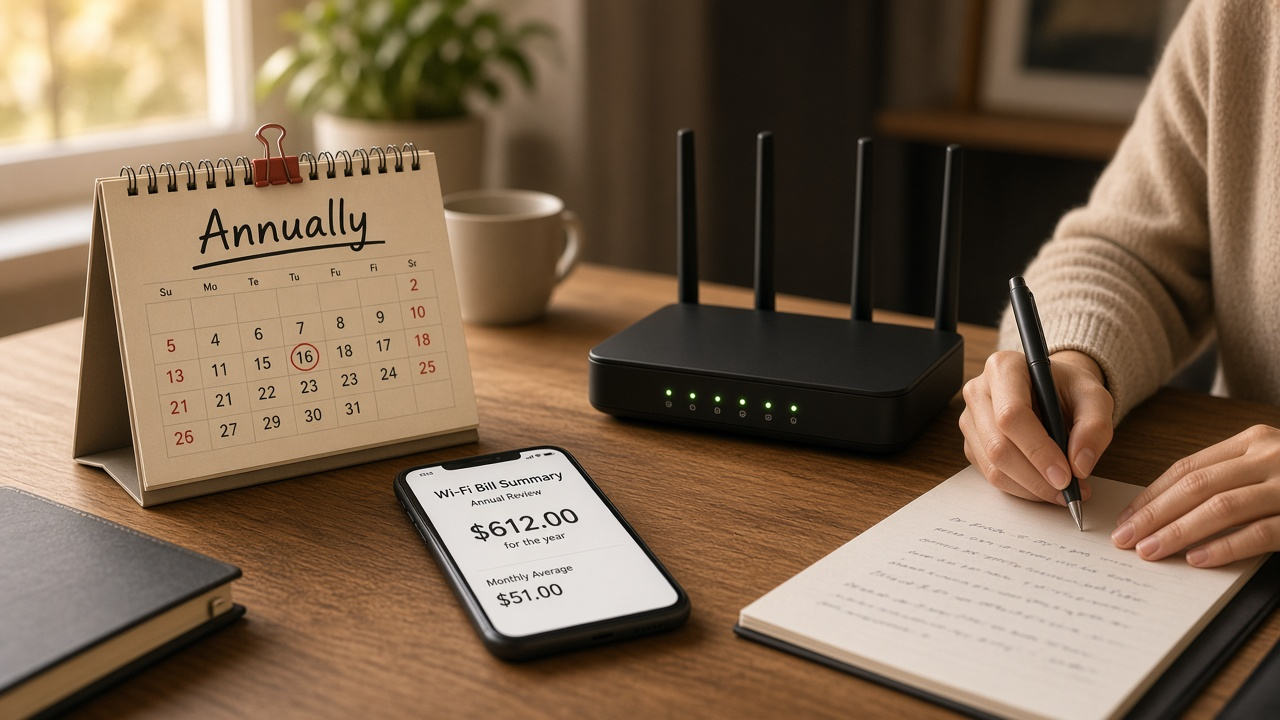
Negotiating with Your Internet Provider: How to Lower Your WiFi Bill Every Year
In today's digital age, having a stable and fast internet connection is essential. However, with the rising costs of internet services, it's becoming increasingly important to learn the art of negotiation. By effectively negotiating with your internet provider, you can significantly lower your WiFi bill and take advantage of potential savings.
Successfully negotiating with your internet provider not only saves you money but also ensures that you are getting the best possible service for your needs. By exploring various negotiation strategies and understanding how to navigate the negotiation process, you can improve the quality of your WiFi and lower your monthly expenses.
Imagine the benefits of paying less for your WiFi every year. Those savings can add up over time, allowing you to allocate your hard-earned money towards other important things in your life. Whether it's saving up for a vacation or investing in personal development, negotiating with your internet provider empowers you to take control of your finances while maintaining a reliable internet connection.
Understanding Internet Providers
When it comes to choosing an Internet Service Provider (ISP), understanding the different options available to you is crucial. Each provider offers varying services and plans, making it essential to research and compare before making a decision.
What are Internet Service Providers?
An Internet Service Provider, commonly known as an ISP, is a company that offers access to the internet. ISPs use a variety of technologies to provide internet connections to consumers, such as fiber-optic cables, DSL, or satellite.
Pricing Structures and Plans
ISPs offer a range of pricing structures and plans based on different needs and preferences. Some providers offer bundled services like TV and phone along with internet access, while others focus solely on internet services.
Comparison of Popular ISPs
One popular ISP is Xfinity, which offers a variety of pricing tiers to cater to different requirements. Their plans range from basic internet to high-speed options that are ideal for heavy internet users or households with multiple devices.
Other well-known ISPs include AT&T, Verizon, Spectrum, and Cox. Each provider offers its own unique plans and benefits. It's worth comparing the pricing tiers and offerings of these providers to find the most suitable option for your needs.
Negotiation Strategies and Techniques
Tips and Techniques for Effective Negotiation with Your Internet Provider
When it comes to negotiating with your internet provider, there are a few tips and techniques you can use to increase your chances of success:
- Do Your Research: Before entering into negotiations, it's important to research and gather information about the current rates and deals offered by other internet providers in your area. This will give you a better understanding of the market and help you make a stronger case for a lower WiFi bill.
- Be Polite and Professional: When negotiating with your internet provider, it's crucial to remain polite and professional. Keep in mind that the customer service representative you're dealing with may not have the power to immediately lower your bill. By maintaining a respectful attitude, you increase the likelihood of building rapport and getting the best possible outcome.
- Stay Calm and Patient: Negotiations can sometimes be frustrating, especially if your initial requests are met with resistance. It's important to stay calm and patient throughout the process. Remember that finding a mutually beneficial solution takes time and persistence.
- Ask for Discounts or Promotions: One effective negotiation technique is to ask your provider about any current discounts or promotions they may have available. Many internet providers offer special deals for new customers or existing customers who are willing to upgrade their plan. By leveraging these offers, you can potentially lower your WiFi bill without having to switch providers.
Understanding the Perspective of the Service Provider
When negotiating with your internet provider, it's important to understand their perspective and the factors that influence their pricing decisions. Here are some key points to consider:
- Costs and Profit Margins: Internet providers have their own costs to cover, including infrastructure maintenance, equipment upgrades, and employee salaries. It's important to keep in mind that they are running a business and need to maintain a certain level of profit margin to stay competitive in the market.
- Customer Retention: Retaining existing customers is often a priority for internet providers. Losing customers is costly, so they may be willing to negotiate and offer discounts to keep you as a valued customer.
- Competition: Research your local market to understand the level of competition among internet providers. If there are multiple providers offering similar services in your area, you can use this information as leverage during negotiations.
Preparing for Negotiation and Finding Leverage Points to Lower Your WiFi Bill Consistently Over Time
Before entering into negotiations with your internet provider, it's important to be prepared and identify potential leverage points. Here are some steps to take:
- Review Your Current Plan: Take the time to review your current internet plan and assess whether it still meets your needs. This will help you understand what changes or upgrades you may want to negotiate.
- Consider Your Usage Patterns: Analyze your internet usage patterns to determine your specific needs and requirements. For example, if you primarily use the internet for basic browsing and streaming, you might not need the highest available speeds and can negotiate for a lower-priced plan.
- Identify Competing Plans: Research competing internet providers and the plans they offer. This information will help you compare prices and features, giving you more leverage during negotiations.
- Call Customer Service: Contact your internet provider's customer service and explain your intention to negotiate your WiFi bill. They may connect you with a representative who has the authority to provide discounts or make changes to your plan.
WiFi and Internet Bills
When it comes to negotiating with your internet provider, one of the key aspects to focus on is reducing your WiFi and internet bills. By understanding how these bills are structured and the various pricing tiers available, you can potentially save significant amounts of money every year without compromising the quality of your internet connection.
Explanation of WiFi bill payments and internet bill plans
WiFi and internet bills typically consist of two main components: the cost of your internet service and the cost of renting or purchasing a WiFi router. The internet service cost varies depending on the speed and amount of data included in your plan, while the WiFi router cost is usually a fixed monthly fee.
It's important to understand the different internet bill plans offered by your provider. They often come in tiers, with each tier offering varying speeds and data limits. The higher the tier, the faster your internet speed will be and the more data you can use.
Discussion on different pricing tiers and their features
Most internet providers offer several pricing tiers, ranging from basic plans with lower speeds and data caps to premium plans with faster speeds and unlimited data. It's essential to evaluate your internet usage habits to determine which tier is the most suitable for your needs.
- Basic Plan: This plan is ideal for light internet users who mainly browse the web, use social media, and stream content occasionally.
- Intermediate Plan: This plan is suitable for households with moderate internet usage, including frequent streaming, online gaming, and file downloads.
- Premium Plan: If you have a large family or rely heavily on high-bandwidth activities such as 4K streaming and online gaming, a premium plan with faster speeds and unlimited data might be the best option for you.
Potential ways to reduce the WiFi bill without compromising the quality of your internet connection
Lowering your WiFi bill doesn't necessarily mean sacrificing the quality of your internet connection. Here are some strategies to consider:
- Bundle your services: Many internet providers offer discounted rates when you bundle your internet service with other services such as cable TV or home phone.
- Compare pricing across providers: Research and compare the pricing and plans offered by different internet providers in your area. You may find a better deal with another provider.
- Ask for promotional offers: Contact your current provider and ask if there are any ongoing promotional offers or discounts available that could lower your bill.
- Negotiate with your provider: Don't be afraid to negotiate with your current provider. Express your willingness to switch providers or downgrade your plan if they cannot offer you a lower rate.
- Purchase your own WiFi router: Instead of renting a router from your provider, consider buying your own. While there is an upfront cost, it can result in long-term savings.
By implementing these strategies, you can effectively negotiate your WiFi and internet bills, ensuring that you're paying a fair price for the services you need.
Internet Speed and Bandwidth
When negotiating with your internet provider, it's crucial to understand the importance of having higher internet speeds and better bandwidth. These factors play a significant role in ensuring a smooth and seamless online experience.
One way to assess your current internet speed is by conducting an internet speed test. This test measures the download and upload speeds provided by your internet service provider (ISP). By knowing your current speed, you can determine if you're getting the bandwidth you're paying for.
Bandwidth allocation refers to the amount of data that can be transferred from your internet provider's network to your device. The higher the bandwidth, the more data can be transmitted, resulting in faster and more reliable connections. It's important to ensure that your provider allocates sufficient bandwidth for your needs.
Understanding the difference between upload and download speeds is vital. Download speed determines how quickly you can retrieve data from the internet, such as streaming videos or downloading files. Upload speed, on the other hand, refers to how fast you can send data to the internet, such as uploading files or video conferencing.
Having faster internet speeds and better bandwidth brings many benefits. It allows you to stream videos and play online games without buffering or lag. It also enables you to download large files quickly and engage in video conferences without interruptions.
Next, let's explore alternative internet options that may be available to you.
Alternative Internet Options
There may come a time when negotiating with your current internet provider just isn't enough to lower your WiFi bill. In that case, it's helpful to explore alternative options that may offer more competitive pricing or better services. Here are a few strategies to consider:
- Exploring alternative options to negotiate with your current internet provider: If your current provider is unwilling to budge on their pricing, it may be worth exploring alternative options within their service offerings. They may have lower-tier plans or promotional rates that are not advertised but could still meet your needs and budget.
- Researching rival ISPs and their competitive plans: Conducting a thorough comparison of different internet service providers (ISPs) can help you uncover better deals. Look for ISPs that offer similar internet speeds and bandwidth as your current provider but at a lower cost. Keep in mind that availability may vary depending on your location.
- Evaluation of fiber optic connections and other technologies like 5G or satellite internet: Fiber optic connections are known for their fast, reliable speeds, and many providers now offer fiber optic plans. Additionally, emerging technologies like 5G and satellite internet can provide alternative options for high-speed internet access. Assessing the availability and feasibility of these technologies in your area could open up new possibilities for reducing your WiFi bill.
Customer Service and Support
When it comes to negotiating with your internet provider, customer service plays a vital role. An excellent customer support team can make a significant difference in your negotiation process and help you lower your WiFi bill.
Customer support acts as a bridge between you and your internet provider. Their job is to provide you with answers, solve any issues you might encounter, and assist you in making the most out of your internet service.
However, not all customer support teams are created equal. The quality of service can vary from one provider to another, which is why it's essential to consider this aspect when choosing your internet provider.
Common issues faced by customers include slow internet speed, connectivity problems, billing discrepancies, and technical difficulties. Dealing with these issues can be frustrating, especially if you're not receiving adequate support.
To ensure smooth communication and effective problem-solving, here are some best practices to utilize customer service channels effectively:
- Be prepared: Before reaching out to customer support, gather all relevant information and documents related to your internet service. This can include your account details, bills, and any previous correspondence.
- Choose the right channel: Internet providers offer various customer service channels, such as phone, email, or live chat. Select the channel that suits your preferences and needs.
- Be polite and concise: When communicating with customer support, maintain a respectful tone and clearly explain your issue. Providing specific details will help them understand your problem better.
- Keep a record: Keep track of all your interactions with customer support, including the date, time, and name of the representative you spoke to. This record can be helpful in case you need to escalate the issue or refer back to previous conversations.
- Follow up: If your issue remains unresolved or you experience inconsistent customer service, don't hesitate to follow up with your internet provider. Being persistent can often lead to a better resolution.
Remember, effective communication with customer service is essential for negotiating a lower WiFi bill. By understanding how to engage with customer support and utilizing their channels effectively, you can address any concerns and ensure you receive the best possible service.
Contract and Plan Terms
When it comes to negotiating with your internet provider and lowering your WiFi bill every year, understanding the terms and conditions of your contract or plan is of utmost importance. Many customers overlook this crucial aspect, only to find themselves locked into unfavorable terms or facing unexpected charges.
Contract Renewal and Plan Changes
Before signing any agreement, make sure you fully grasp the details regarding contract renewal and plan changes. Some providers automatically renew contracts without notifying the customer, which can result in higher fees or extended commitments. Familiarize yourself with the renewal terms, as well as the steps to make changes to your plan, should your needs change down the road.
Early Termination Fees
Be aware of early termination fees, which are charges imposed if you cancel your contract before the agreed-upon period. These fees can be substantial and may outweigh any potential savings from switching to a different provider. Carefully evaluate the cost-benefit ratio before making any decisions that may incur early termination fees.
Service-Level Agreements
Review the service-level agreements (SLAs) offered by your internet provider. SLAs outline the level of service you can expect, including details about uptime, response times, and support availability. Understanding these commitments can help hold your provider accountable and ensure you receive the quality of service you were promised.
Data Caps
Many internet providers enforce data caps, which limit the amount of data you can use within a given billing cycle. If you frequently exceed these caps, you may face additional charges or experience reduced speeds. Familiarize yourself with the specific terms of your plan and consider whether it aligns with your usage habits. Negotiating for a higher data cap or an unlimited data option may be beneficial in the long run.
Internet Security and Privacy
When negotiating with your internet provider to lower your WiFi bill, it's important to also address concerns regarding internet security and privacy. By taking steps to ensure online privacy, you can negotiate with confidence and protect your personal information. Here are some key topics to consider:
- Secure WiFi networks: Make sure your WiFi network is secure by setting up a strong password and regularly updating it. This will help prevent unauthorized access to your network and protect your data.
- VPN usage: Consider using a virtual private network (VPN) to encrypt your internet connection and keep your online activities private. A VPN can add an extra layer of security while negotiating with your internet provider.
- Protection against hackers or data breaches: Inquire about the security measures your internet provider has in place to protect against hackers or data breaches. Ask about their protocols for detecting and addressing security threats.
By addressing internet security and privacy concerns, you can ensure that your personal information is safeguarded while negotiating for lower WiFi bills. This will give you peace of mind and allow you to focus on securing a better deal with your internet provider.
Home Networking and WiFi Optimization
Optimizing your home network and WiFi setup is essential for maximizing your internet connection. By following the tips below, you can improve the overall performance and stability of your WiFi network, leading to a better internet experience.
WiFi Router Selection and Placement Considerations
Choosing the right WiFi router is crucial for achieving optimal network performance. Look for routers that support the latest WiFi standards, such as 802.11ac or 802.11ax, to ensure fast and reliable connections. Additionally, consider routers with dual-band capability, as they offer separate frequency bands for different types of devices.
When it comes to router placement, keep in mind that physical obstructions like walls and furniture can weaken the WiFi signal. Place your router in a central location, away from other electronic devices that may interfere with the signal. Elevating the router and avoiding placing it on the ground can also help improve coverage.
Troubleshooting Network Issues and Optimizing WiFi Performance for Different Devices
If you're experiencing network issues or slow WiFi speeds, try the following troubleshooting steps:
- Restart your router and modem to refresh the connections and clear any temporary glitches.
- Ensure that your router's firmware is up to date. Manufacturers often release updates that include performance improvements and bug fixes.
- Check for interference from other nearby WiFi networks. You can use apps or software tools to identify and switch to less congested WiFi channels.
- Keep your devices' WiFi drivers and operating systems updated. Outdated software can cause compatibility issues and impact performance.
Optimizing WiFi performance for different devices involves configuring the appropriate settings. Some devices may have specific settings or features that can enhance their WiFi performance. For example, gaming consoles often have a "Gaming Mode" that prioritizes network traffic for smoother gameplay. Explore these settings in your devices' network preferences to optimize their connectivity.
Furthermore, ensure that your WiFi network is secure by enabling WPA2 or WPA3 encryption. This will protect your network from unauthorized access and ensure that your personal information remains confidential.
Current Events and Industry Trends
Incorporating current events and trends in the industry into negotiations with your internet provider can be a strategic way to lower your WiFi bill every year. By staying informed about the latest developments in technology, changes in regulatory policies, or market competition, you can leverage this knowledge to your advantage during negotiations.
One important trend to watch out for is the ongoing advancements in internet technology. As technology continues to evolve, internet providers are constantly upgrading their infrastructure to provide faster speeds and more reliable connections. This can be a valuable bargaining chip when negotiating for a lower WiFi bill, as you can discuss the availability of higher speed options and ensure that you are paying for the best service possible.
Additionally, changes in regulatory policies can have a direct impact on the pricing and plans offered by internet providers. Stay updated on any new regulations or policies that may affect the industry, as this knowledge can help you negotiate for better prices or more favorable contract terms.
Market competition is another crucial aspect to consider. As more internet providers enter the market and vie for customers, they often offer competitive pricing and promotions to attract new subscribers. Use this to your advantage by researching and comparing different providers in your area. Armed with this information, you can negotiate with your current provider, mentioning the better deals you have found elsewhere and potentially convince them to offer you a discounted rate.
By keeping up with current events and industry trends, you position yourself as an informed customer who knows their options and understands the value of their WiFi service. This puts you in a stronger position to negotiate for lower rates and better terms with your internet provider, ultimately helping you save money on your WiFi bill every year.
Conclusion
Recap of the importance of negotiating with your internet provider to lower your WiFi bill.
Throughout this guide, we have explored various aspects of negotiating with your internet provider to lower your WiFi bill. By understanding the inner workings of internet providers and employing effective negotiation strategies and techniques, you have the power to take control of your internet expenses.
Remember, negotiating with your internet provider is not just about reducing your monthly bill, but also about improving your overall internet experience. By ensuring you have the right internet speed and bandwidth, exploring alternative internet options, optimizing your home network, and prioritizing customer service and support, you can create a more reliable and enjoyable online environment.
Implementing the strategies and techniques discussed in this guide may initially require some effort and persistence on your part, but the potential long-term savings and improved internet experience make it a worthwhile endeavor. By negotiating effectively, you can save money year after year while still enjoying a high-quality internet connection.
Take advantage of the current events and industry trends, such as the rise of new technologies and increased competition among internet providers, to your benefit. Stay informed about the latest advancements and changes in the industry to ensure you are armed with knowledge during negotiations.
In conclusion, negotiating with your internet provider is a crucial skill that can make a significant difference in your WiFi bill and overall internet experience. Don't settle for paying more than you should. Take action, be confident, and start negotiating with your internet provider today!
Comcast: A Key Player in the Internet Provider Market
When it comes to negotiating with your internet provider, one company that often comes to mind is Comcast. As one of the largest providers in the market, Comcast holds a significant presence in numerous households across the country.
Research
Before you begin negotiating with your internet provider to lower your WiFi bill, it's crucial to conduct thorough research. Putting in the time and effort to gather relevant information can significantly increase your chances of success. Here are a few key aspects to consider:
- Current Market Rates: Familiarize yourself with the standard rates offered by internet providers in your area. This information will give you a benchmark against which you can negotiate.
- Competitor Plans: Research the plans and prices offered by competing internet providers. Knowing what other companies are offering will provide leverage in your negotiation discussions.
- Customer Reviews: Take the time to read online customer reviews about your current internet provider's customer service, pricing strategy, and negotiation experiences. This insight will help you understand how others have successfully negotiated with them.
- Contract Terms: Review the terms and conditions of your current contract, paying particular attention to details such as cancellation fees, contract expiration dates, and any possible discrepancies between what you agreed to and what you're currently being charged.
Taking these research steps will empower you with valuable knowledge and help you build a solid negotiation strategy. Remember, a well-prepared negotiator is more likely to achieve their desired result.
Speed
When it comes to negotiating with your internet service provider (ISP) to lower your WiFi bill, it's important to understand the role of speed in your internet connection. The speed of your internet service can greatly impact your online experience, whether it's for streaming movies, online gaming, or simply browsing the web.
Here are a few key points to consider:
1. Assessing Your Current Speed
Before negotiating with your internet service provider, it's essential to determine the speed you are currently receiving. You can check your internet speed using various online speed tests, such as Ookla, Fast.com, or your ISP's official website. Note down the download and upload speeds as this information will be crucial during the negotiation process.
2. Researching Competitors
One powerful negotiating tactic is to gather information about the offerings and prices of other internet service providers in your area. By knowing what your provider's competitors are charging for similar internet speeds, you'll have solid grounds for negotiation. Use search engines or comparison websites to find out about these options.
3. Highlighting Your Loyalty
When negotiating with your current internet service provider, emphasize the loyalty you have shown over the years. Mention the number of years you have been a customer and any positive experiences you have had with their service. By positioning yourself as a valued customer, they may be more willing to consider lowering your bill to retain your business.
4. Mentioning Competitors' Offers
During the negotiation, politely mention the competitive offers you have come across. Highlight the similar internet speeds and lower prices available from other providers in your area. This may incentivize your current provider to match or beat those offers to ensure they retain your business.
5. Bundling Services
If your internet service provider offers other services like cable or phone, consider bundling these services to leverage negotiation power. Providers often provide discounts or promotions when customers bundle multiple services together. By exploring these options, you may be able to significantly reduce your overall monthly bill.
6. Be Polite and Persistent
Remember, negotiating with your internet service provider is a business transaction. Be polite and persistent in your negotiations, clearly expressing your desire for a lower bill while providing valid reasons for it. This approach can increase your chances of reaching a satisfactory agreement.
By following these tips and being well-prepared, you can negotiate with your internet service provider to lower your WiFi bill and potentially save a significant amount of money every year. Don't settle for paying more than necessary for reliable and fast internet!
Internet Provider
When you are a customer of an internet provider, it's important to review your service and payment options periodically to ensure you are not paying more than necessary for your WiFi. Many people stick with the same plan year after year without realizing that there are often opportunities to negotiate and lower their bill.
If you have been with the same internet provider for a while and are looking to save some money, it's time to make a call to their customer service. Internet providers are usually willing to work with their customers to retain their business.
Here are some tips for negotiating with your internet provider:
- Research the current plans and prices offered by other providers in your area.
- Prepare to discuss your current payment and express your desire to lower your bill.
- Highlight any issues or concerns you have experienced with the service.
- Ask about any promotions or discounts that may be available to you.
- Consider bundling services or upgrading your plan if it will result in overall savings.
Remember, the key is to be polite and patient during the negotiation process. Be prepared to spend some time on the phone, as the representative may need to check with their supervisor or review your account details. If you are not successful in lowering your bill during the first call, don't give up. Sometimes persistence pays off, and you may have better luck with a different representative on a subsequent call.
Negotiating with your internet provider can help you save money and ensure you are getting the best value for your WiFi service. Take the time to review your options, make the call, and start enjoying lower bills every year!
Lower Your WiFi Bill Every Year
When it comes to negotiating with your internet provider, lowering your WiFi bill may seem like a daunting task. However, with the right approach and some savvy negotiation skills, you can successfully reduce your monthly expenses without compromising on the quality of your internet connection.
Understanding Your Current Plan
Before diving into negotiations, it's essential to have a clear understanding of your current plan. Take the time to review your monthly bill and identify the services you are paying for, such as internet speed, TV channels, and phone lines. This knowledge will help you assess what areas you may be able to lower costs.
Research Competitive Offers
Armed with the knowledge about your current plan, it's time to research competitive offers in your area. Look for deals and promotions from other internet service providers that offer similar services. Having this information will give you leverage during negotiations with your current provider.
Contact Customer Service
Initiating contact with your internet provider's customer service department is the next step towards lowering your WiFi bill. Reach out via phone or visit their website to explore your options. When speaking to a representative, be polite, calm, and concise about your intentions to reduce your monthly bill. This approach can lead to a more productive conversation.
Highlight Your Loyalty
During your conversation with the customer service representative, emphasize your loyalty to the internet provider. Mention how long you have been a customer and any prompt payments you have made. This demonstrates that you are a valuable customer and increases the likelihood of receiving favorable offers or discounts.
Discuss Alternative Plans
Ask the customer service representative about alternative plans or packages that they offer. Inquire if there are any promotions or discounts available to lower your monthly bill. Mention the competitive offers you researched, as this can encourage them to provide a better deal to retain your business.
Consider Bundling Services
Bundling your internet, TV, and phone services with the same provider can sometimes result in lower overall costs. Inquire about any bundle options available and compare the pricing to your current standalone plan. If the savings are significant, bundling may be a viable option for reducing your WiFi bill.
Request Retention Offers
Some internet providers have dedicated retention departments that aim to keep valuable customers. If you are unable to negotiate a satisfactory deal with the customer service representative initially, ask to be transferred to the retention department. They may have access to exclusive offers or discounts that can help you lower your WiFi bill.
In conclusion, negotiating with your internet provider to lower your WiFi bill requires a proactive approach. By understanding your current plan, researching competitive offers, contacting customer service, and utilizing your loyalty as leverage, you can successfully reduce your monthly expenses while maintaining a reliable internet connection.