2.4 GHz vs. 5 GHz Wi-Fi
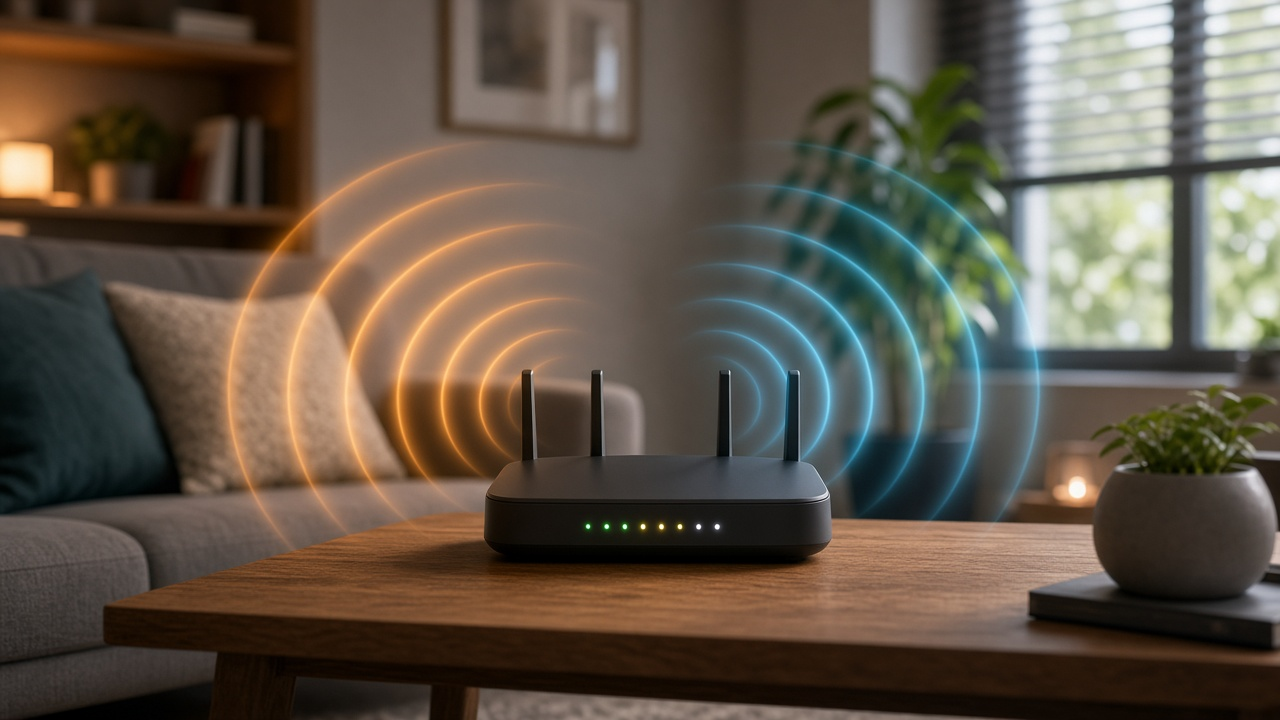
2.4 GHz vs 5 GHz Wi-Fi: Which is Right for You?
Are you struggling to choose between 2.4 GHz and 5 GHz Wi-Fi for your home or office? Look no further! In this article, we will break down the differences and advantages of each frequency band, helping you make an informed decision that suits your specific needs.
The Definition and Importance of Wi-Fi
Wi-Fi, short for Wireless Fidelity, is a technology that allows devices to connect wirelessly to the internet or networks. It has become an essential part of our lives, enabling seamless internet access, communication, entertainment, and productivity across various devices such as smartphones, laptops, and smart home devices.
Understanding Wireless Communication and its Applications
Wireless communication refers to the transfer of information between devices without the need for physical cables. It utilizes radio waves to transmit data and enables a wide range of applications. From streaming high-definition videos and online gaming to remote control of electronic devices and data transfer, wireless communication has revolutionized how we interact with technology.
Understanding Frequency Bands
A. Overview of 2.4 GHz and 5 GHz frequency bands
When it comes to Wi-Fi, two frequency bands dominate the scene: 2.4 GHz and 5 GHz. These bands refer to the radio frequencies at which Wi-Fi signals operate.
The 2.4 GHz band has been around for quite some time and is widely used by various devices. On the other hand, the 5 GHz band is a relatively newer addition to the Wi-Fi landscape.
B. Significance of frequency bands for Wi-Fi transmission
The frequency bands play a crucial role in determining the overall performance of your Wi-Fi network. Different frequency bands have their own strengths and weaknesses, impacting signal range, speed, and overall performance.
Understanding these bands is essential as it allows you to make informed decisions about your Wi-Fi setup and optimize your network accordingly.
C. Impact of frequency bands on network range, speed, and performance
One major aspect affected by the frequency bands is the signal range. The 2.4 GHz band has a better range, meaning it can cover a larger area compared to the 5 GHz band.
However, the 5 GHz band offers faster Wi-Fi speeds with less interference. This is because it has more available channels and is less congested compared to the 2.4 GHz band.
Overall, the choice between the two frequency bands depends on your specific requirements and the environment in which your Wi-Fi network will be operating.
Signal Range Differences
When it comes to Wi-Fi, signal range variations between 2.4 GHz and 5 GHz frequencies play a crucial role in determining the coverage and stability of your wireless network.
Explanation of Signal Range Variations
The key difference between 2.4 GHz and 5 GHz Wi-Fi lies in their signal range capabilities. The 2.4 GHz frequency offers a larger signal range compared to the 5 GHz frequency. This means that devices using the 2.4 GHz band can transmit and receive signals over longer distances.
On the other hand, the 5 GHz frequency has a shorter signal range but provides higher data transfer speeds and increased network capacity. This makes it ideal for densely populated urban areas with numerous Wi-Fi networks in close proximity.
Factors Influencing Coverage and Signal Strength
Several factors can influence the coverage and signal strength of both 2.4 GHz and 5 GHz Wi-Fi:
- Obstacles: Walls, furniture, and other physical barriers can obstruct and weaken Wi-Fi signals. The higher frequency of the 5 GHz band makes it more susceptible to signal degradation caused by obstacles.
- Interference: Other electronic devices, such as microwave ovens and cordless phones, can interfere with Wi-Fi signals. The 2.4 GHz frequency is more prone to interference due to its popularity and widespread use by various devices.
- Antenna Design: The design and quality of your wireless router's antennas can affect the signal range and strength. Higher gain antennas can provide better coverage and improve signal reception.
Pros and Cons of Each Frequency Band
Both 2.4 GHz and 5 GHz frequency bands have their advantages and considerations in terms of signal range:
Understanding the signal range differences between 2.4 GHz and 5 GHz Wi-Fi frequencies helps you make an informed decision when setting up your wireless network, taking into account your specific environment and requirements.
Interference Challenges
When it comes to Wi-Fi performance, one of the biggest challenges users face is interference. Interference can negatively affect signal strength and ultimately degrade your Wi-Fi experience. In this section, we will discuss the various interference challenges encountered in Wi-Fi networks.
A. Discussion on interference from other devices in close proximity
One of the main sources of interference in Wi-Fi networks is other devices operating in close proximity. This includes devices such as microwave ovens, cordless phones, baby monitors, and even neighboring Wi-Fi networks. These devices emit signals in the same frequency bands as Wi-Fi, which can cause interference and disrupt your network's performance.
To minimize interference from neighboring Wi-Fi networks, it is important to choose the optimal frequency band and channel for your network. Additionally, using advanced security measures like WPA2 encryption can help protect your network from unauthorized access and interference.
B. Comparison of 2.4 GHz and 5 GHz bands' resistance to interference
Both the 2.4 GHz and 5 GHz frequency bands have their own advantages and limitations when it comes to interference. The 2.4 GHz band is more prone to interference due to its popularity and the wide range of consumer devices that operate on this frequency. On the other hand, the 5 GHz band is less congested and offers higher immunity to interference.
If you live in a densely populated area or an environment with multiple Wi-Fi networks, the 5 GHz band may be a better choice to avoid interference. However, it's worth noting that the 5 GHz band has a shorter signal range compared to the 2.4 GHz band. This means that in larger spaces or areas with obstacles like walls, the 2.4 GHz band might provide better coverage.
C. Tips for minimizing interference issues in Wi-Fi networks
- 1. Position your router strategically: Place your router in a central location, away from obstructions like walls and ceilings. This can help reduce signal interference caused by physical barriers.
- 2. Avoid crowded frequency channels: Use Wi-Fi analyzer tools to identify the least congested channels in your area and configure your router to operate on those channels.
- 3. Update your router's firmware: Regularly check for firmware updates from your router manufacturer and install them to ensure optimal performance and compatibility with the latest technologies.
- 4. Use wired connections when possible: For devices that are located close to the router, consider connecting them via Ethernet cables to reduce potential interference.
- 5. Invest in a dual-band router: Dual-band routers can operate on both the 2.4 GHz and 5 GHz bands, allowing you to switch between them based on your specific needs and interference conditions.
By implementing these tips, you can minimize interference issues in your Wi-Fi network and enjoy a more reliable and consistent connection.
Speed and Throughput Considerations
When it comes to Wi-Fi performance, speed and throughput are crucial factors to consider. The frequency bands of 2.4 GHz and 5 GHz play a significant role in determining the internet speeds and data transfer rates.
A. Impact of frequency bands on internet speeds and data transfer rates
The 2.4 GHz band, being the older and more widely used one, has a slower maximum data transfer speed compared to the 5 GHz band. This is primarily due to the limited amount of available channels and the interference from other devices operating on the same band.
On the other hand, the 5 GHz band offers faster speeds and higher data transfer rates. With a wider range of available channels and less interference from other devices, it provides a more reliable and efficient Wi-Fi experience for high-bandwidth activities.
B. Factors affecting speed and throughput in 2.4 GHz and 5 GHz Wi-Fi
Various factors can impact the speed and throughput of both 2.4 GHz and 5 GHz Wi-Fi networks. Distance from the router, physical obstructions like walls, and the number of devices connected concurrently are some of the key factors.
In the case of 2.4 GHz Wi-Fi, signal interference from other wireless devices such as cordless phones, baby monitors, and microwave ovens can significantly affect the network performance. Additionally, neighboring Wi-Fi networks operating on the same channel can also cause interference.
For 5 GHz Wi-Fi, although it offers faster speeds, its shorter range and weaker penetration through physical barriers like walls and floors can limit its effectiveness in larger spaces.
C. Choosing the right band for specific speed requirements and activities
When deciding which Wi-Fi band to use, it's essential to consider the speed requirements and the type of activities you engage in. For tasks that require high internet speeds, such as online gaming or streaming 4K videos, the 5 GHz band is usually the better choice.
However, if you have devices located far from the router, or if you need Wi-Fi coverage in a large area with several obstructions, the 2.4 GHz band might be more suitable. It offers better signal range and can provide a reliable connection in such scenarios.
Ultimately, the right band for you will depend on your specific needs and the layout of your home or office space.
Device Compatibility
When it comes to Wi-Fi, device compatibility plays a crucial role in ensuring a seamless internet experience. Both 2.4 GHz and 5 GHz frequency bands have their compatibility requirements. Let's take a look at what devices are compatible with each band.
A. Compatibility of routers, smartphones, laptops, and IoT devices with each frequency band
1. Routers: Most modern routers are compatible with both 2.4 GHz and 5 GHz bands. However, it's important to check the specifications of your router to ensure compatibility.
2. Smartphones: Many smartphones are capable of connecting to both 2.4 GHz and 5 GHz bands. High-end smartphones often offer dual-band support, allowing users to switch between the two bands based on their needs.
3. Laptops: Laptops also come with varying levels of compatibility. While most laptops support both bands, older models may only support the 2.4 GHz band. It's advisable to check your laptop's hardware specifications for compatibility.
4. IoT devices: Internet of Things (IoT) devices, such as smart home devices and wearables, can have different compatibility requirements. Some IoT devices only support the 2.4 GHz band, while newer models may have dual-band support.
B. Factors determining compatibility and limitations of devices
Several factors can influence the compatibility of devices with each frequency band:
- Hardware: The hardware capabilities of a device determine its compatibility with different frequency bands. The presence of a dual-band radio ensures compatibility with both 2.4 GHz and 5 GHz bands.
- Wireless Standards: Devices must support the appropriate wireless standards to ensure compatibility. For example, devices compliant with the 802.11n standard can connect to both bands, while devices limited to the 802.11b/g standard can only connect to the 2.4 GHz band.
- Software Updates: Firmware or software updates can sometimes enhance the compatibility of devices with different frequency bands. Keeping devices up to date ensures optimal compatibility.
C. Advantages and disadvantages of using compatible devices with each band
1. 2.4 GHz Band:
- Advantages: The 2.4 GHz band offers better range and is better at penetrating walls and obstacles. It is also more widely compatible with older devices.
- Disadvantages: This band is more crowded and prone to interference from other devices, such as microwaves and cordless phones. It also usually offers slower speeds compared to the 5 GHz band.
2. 5 GHz Band:
- Advantages: The 5 GHz band provides faster speeds and is less crowded, resulting in a more reliable connection. It is ideal for bandwidth-intensive activities like streaming and gaming.
- Disadvantages: This band has a shorter range and is less capable of penetrating obstacles. It may also have limited compatibility with older devices.
Understanding the compatibility of devices and the advantages and disadvantages of each band helps you make informed decisions when setting up your Wi-Fi network.
Exploring Dual-Band Routers
Dual-band routers have become increasingly popular in the Wi-Fi market, offering users the flexibility to connect to both the 2.4 GHz and 5 GHz Wi-Fi bands. These routers are designed to provide improved performance and a better user experience. Let's delve into the benefits, features, and capabilities of dual-band routers.
A. Benefits of dual-band routers supporting both 2.4 GHz and 5 GHz Wi-Fi bands
One of the key advantages of dual-band routers is their ability to operate on two different frequency bands simultaneously. The 2.4 GHz band offers a wider range and better wall-penetration capabilities, making it suitable for devices that require a stable connection over larger distances or through obstacles. On the other hand, the 5 GHz band provides faster speeds and less interference, making it ideal for bandwidth-intensive activities like streaming or gaming.
By supporting both bands, dual-band routers allow users to connect their devices to the most suitable frequency, depending on their requirements. This eliminates the need for separate networks or the hassle of constantly switching between bands.
B. Features and capabilities offered by dual-band routers
Dual-band routers come packed with various features and capabilities that enhance the overall Wi-Fi experience. These routers often incorporate advanced technologies such as beamforming and MU-MIMO (Multi-User Multiple Input Multiple Output) to improve signal strength and optimize performance.
Furthermore, dual-band routers offer features like guest networks, which allow visitors to connect to a separate Wi-Fi network without accessing the main network. This feature ensures privacy and adds an additional layer of security to the primary network.
C. How dual-band routers optimize Wi-Fi performance and user experience
Dual-band routers optimize Wi-Fi performance by automatically selecting the most suitable band for each connected device. They intelligently analyze the network load, signal strength, and interference levels to ensure optimal speeds and minimal disruptions.
Moreover, dual-band routers prioritize bandwidth allocation, allocating more resources to bandwidth-heavy activities like streaming HD videos or online gaming. This ensures a seamless and lag-free experience for users.
With the ability to switch between bands and optimize network performance, dual-band routers provide a superior Wi-Fi experience with faster speeds, improved stability, and reduced congestion. This makes them the ideal choice for households or workplaces with multiple devices and diverse connectivity needs.
Selecting the Optimal Band
When it comes to Wi-Fi networks, selecting the optimal band is crucial for ensuring reliable and fast connections. To make the right choice, there are various factors that need to be considered.
Factors influencing optimal band selection for Wi-Fi networks
- Signal strength: One of the primary factors to consider is the signal strength of each band. The 2.4 GHz band is known to penetrate obstacles better than the 5 GHz band, making it suitable for larger spaces or areas with numerous obstacles.
- Interference: Interference can significantly impact Wi-Fi performance. The 2.4 GHz band tends to be more crowded due to the presence of various devices that operate on the same frequency, such as microwave ovens and cordless phones. On the other hand, the 5 GHz band is less congested, resulting in less interference.
- Speed requirements: If speed is a priority for your network, the 5 GHz band is the better option. It offers faster data transfer rates compared to the 2.4 GHz band, making it ideal for activities like online gaming and HD video streaming.
- Device compatibility: Not all devices are compatible with both 2.4 GHz and 5 GHz bands. While most modern devices support dual-band connectivity, older devices may only be compatible with the 2.4 GHz band. It is important to consider the devices that will be connected to your network when selecting the band.
Guidelines for choosing the right band based on specific requirements and environment
Selecting the optimal band involves assessing your specific requirements and the environment in which the Wi-Fi network will be deployed. Consider the following guidelines:
- For a larger space or areas with obstacles: The 2.4 GHz band provides better coverage and penetration through obstacles.
- To minimize interference: If you live in an area with many neighboring Wi-Fi networks or devices that could cause interference, the 5 GHz band is less crowded and offers better performance.
- For speed-demanding activities: If you engage in activities that require high-speed internet, such as streaming 4K videos or online gaming, the 5 GHz band will provide faster speeds and smoother performance.
- Compatibility: Ensure that the devices you plan to connect to your Wi-Fi network are compatible with the selected band. For older devices that only support the 2.4 GHz band, it may be necessary to use this band for compatibility purposes.
How to assess network needs and make an informed decision
Assessing your network needs involves understanding the requirements, limitations, and environment of your Wi-Fi network. To make an informed decision about band selection, consider the following:
- Evaluate the coverage area and obstacles within your space.
- Analyze the potential sources of interference in your environment.
- Determine the speed requirements for your network based on intended activities.
- Identify the devices that will be connected to your network and their compatibility with different bands.
By thoroughly assessing your network needs, you can make an informed decision on selecting the optimal band for your Wi-Fi network.
Wireless Standards and Compatibility
Wireless standards play a crucial role in determining the performance and compatibility of Wi-Fi networks. The most common wireless standards associated with Wi-Fi bands are 802.11a, 802.11b, 802.11g, 802.11n, and 802.11ac.
Each wireless standard has its own specifications and capabilities, influencing the range, speed, and overall performance of a Wi-Fi network. These standards are closely linked with the 2.4 GHz and 5 GHz frequency bands, which are used for wireless communication.
Let's take a closer look at the compatibility of Wi-Fi standards with these frequency bands:
- 802.11a: This standard operates exclusively on the 5 GHz band. Devices compatible with this standard can achieve higher data transfer rates compared to 2.4 GHz.
- 802.11b: This standard operates on the 2.4 GHz band. It offers a lower data transfer rate compared to 802.11a but provides better range.
- 802.11g: Similar to 802.11b, this standard also operates on the 2.4 GHz band. It offers improved data transfer rates compared to 802.11b, making it a popular choice for most devices.
- 802.11n: This standard introduced the concept of multiple-input and multiple-output (MIMO) technology. It operates on both the 2.4 GHz and 5 GHz bands, providing better range and higher data transfer rates compared to previous standards.
- 802.11ac: The most recent standard operates exclusively on the 5 GHz band. It utilizes advanced technologies like wider channel bandwidths and multi-user MIMO to provide even higher speeds and improved network performance.
It's important to note that not all devices support all the Wi-Fi standards or both frequency bands. Therefore, it's essential to check the compatibility of your devices with the desired Wi-Fi standard and frequency band before making a purchase or configuring your network.
The wireless standards also have an impact on network performance and device connectivity. In general, using a higher-bandwidth standard such as 802.11ac can result in faster and more stable connections, especially in crowded environments with multiple devices.
Real-Life Applications
When it comes to selecting between the 2.4 GHz and 5 GHz Wi-Fi bands, it is essential to consider the specific application requirements. Let's explore the suitability of each frequency band for various activities:
A. Streaming, Gaming, Video Conferencing, and IoT Connectivity
For activities that require high-speed and reliable connections, such as streaming videos, online gaming, video conferencing, and connecting IoT devices, the 5 GHz band is the preferred choice. With its higher bandwidth and shorter range, this band offers faster data transfer rates and lower latency. This makes it ideal for uninterrupted HD video streaming, lag-free online gaming, smooth video conferencing, and seamless connectivity for IoT devices.
B. Recommended Band for Different Activities and Technical Requirements
To get the best performance for specific activities, consider the following recommendations:
- 2.4 GHz: This band is suitable for general web browsing, checking emails, and other tasks that do not require high bandwidth. It offers better coverage and can penetrate through walls and obstacles more effectively, making it suitable for larger areas and spaces.
- 5 GHz: If you engage in activities that demand high bandwidth, such as streaming 4K videos, multiplayer gaming, or video conferencing with multiple participants, the 5 GHz band is the optimal choice. It provides faster speeds and lower latency, ensuring a smooth and uninterrupted experience.
C. Examples and Case Studies
Let's explore some practical applications of each frequency band:
- 2.4 GHz: In a residential setting, the 2.4 GHz band is ideal for everyday internet browsing, checking social media feeds, and accessing online resources. It can support multiple devices simultaneously and offers a wider coverage area, making it suitable for households with multiple users.
- 5 GHz: In an office environment, where high-speed internet is a necessity for video conferencing, file sharing, and cloud-based applications, the 5 GHz band excels. It provides a stable connection, minimizing disruptions and ensuring seamless collaboration among team members.
Troubleshooting Common Issues
Addressing common Wi-Fi problems such as signal dropouts and slow connection speeds
Wi-Fi signal dropouts and slow connection speeds can be frustrating, but there are several steps you can take to address these issues:
- Restart your router and modem: Sometimes, simply restarting your router and modem can improve Wi-Fi performance.
- Check your Wi-Fi signal strength: Move closer to your router to ensure a stronger signal. Thick walls and other obstructions can weaken the signal.
- Reduce interference: Keep your router away from other electronic devices, such as cordless phones and microwave ovens, as they can interfere with the Wi-Fi signal.
- Update your router's firmware: Check if there are any firmware updates available for your router and install them to ensure optimal performance.
- Secure your network: If too many devices are connected to your Wi-Fi network, it can slow down the connection. Make sure your network is password protected to avoid unauthorized access.
Troubleshooting interference-related issues in 2.4 GHz and 5 GHz Wi-Fi networks
Interference can significantly impact Wi-Fi performance, especially in crowded areas. Here are some troubleshooting tips:
- Switch to the 5 GHz band: If you're experiencing interference issues on the 2.4 GHz band, consider switching to the less congested 5 GHz band.
- Change your Wi-Fi channel: Wi-Fi routers often operate on specific channels within a frequency band. If there are other routers nearby using the same channel, it can lead to interference. Switching to a less crowded channel can help alleviate the issue.
- Use a Wi-Fi analyzer: Use a Wi-Fi analyzer tool to identify the channels that are least congested in your area. This will help you select the optimal channel for your Wi-Fi network.
Tips for optimizing Wi-Fi performance and resolving connectivity problems
Here are some additional tips to optimize Wi-Fi performance and troubleshoot connectivity problems:
- Position your router centrally: Place your router in a central location in your home or office to ensure better coverage and minimize signal loss.
- Manage bandwidth usage: Limit bandwidth-intensive activities, such as streaming videos and large file downloads, during peak usage times to prevent congestion and ensure a smoother connection.
- Update your devices: Ensure that your devices' Wi-Fi drivers and software are up to date. Outdated software can cause compatibility issues and impact performance.
- Consider using a Wi-Fi extender or mesh network: If you have a large home or office, a Wi-Fi extender or mesh network can help extend the range of your Wi-Fi signal.
- Contact your ISP or network administrator: If you've tried all troubleshooting steps and are still experiencing issues, it might be worth reaching out to your internet service provider or network administrator for further assistance.
Conclusion
After exploring the various aspects of 2.4 GHz vs 5 GHz Wi-Fi, it is clear that understanding the differences between these two frequency bands is crucial for optimizing your wireless internet connectivity.
Recap of key points discussed in the content plan
- 1. Introduction to Wi-Fi
- 2. Understanding Frequency Bands
- 3. Signal Range Differences
- 4. Interference Challenges
- 5. Speed and Throughput Considerations
- 6. Device Compatibility
- 7. Exploring Dual-Band Routers
- 8. Selecting the Optimal Band
- 9. Wireless Standards and Compatibility
- 10. Real-Life Applications
- 11. Troubleshooting Common Issues
Throughout the content plan, we have discussed how the 2.4 GHz and 5 GHz frequency bands differ in terms of signal range, interference challenges, speed and throughput considerations, and device compatibility. We have also explored the importance of dual-band routers and selecting the optimal band based on your specific requirements. Additionally, we have touched upon wireless standards and compatibility, real-life applications, and common troubleshooting issues.
Final thoughts on the importance of understanding 2.4 GHz vs 5 GHz Wi-Fi differences
Having a clear understanding of the differences between 2.4 GHz and 5 GHz Wi-Fi bands is essential for making informed decisions when it comes to your wireless internet setup. By considering factors such as signal range, interference, speed, and device compatibility, you can optimize your Wi-Fi experience and ensure seamless connectivity.
Closing remarks highlighting the potential of wireless internet technology in enhancing connectivity experiences
Wireless internet technology continues to advance, opening up countless opportunities for enhanced connectivity experiences. Whether it is for work, entertainment, or staying connected with loved ones, having a reliable and efficient Wi-Fi connection can greatly improve our daily lives. By staying informed about the differences in frequency bands and making informed choices, we can fully leverage the potential of wireless technology and enjoy uninterrupted connectivity.
Wireless
In the world of connectivity, Wi-Fi has become an indispensable technology that enables our devices to access the internet and transmit data wirelessly. This seamless wireless experience is made possible by different frequencies that Wi-Fi operates on, with the two most common being 2.4 GHz and 5 GHz.